Source aluminum alloy black bicycle crankset for Road Bike, Mountain Bike, Kids Bike
Compare 30 listings of aluminum alloy black bicycle crankset options suitable for road bikes, mountain bikes, and kids bikes. Buyers can review specifications like crank length, material composition, and customization availability to find the right fit.
Key considerations
Products List


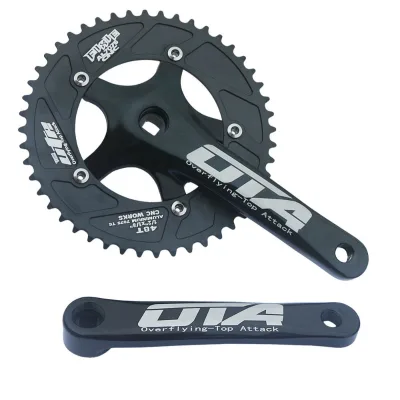
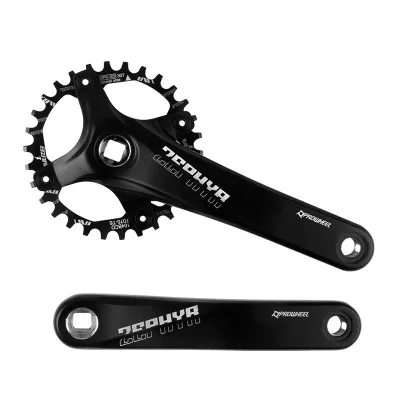


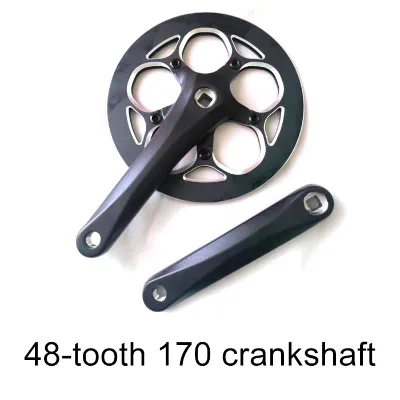


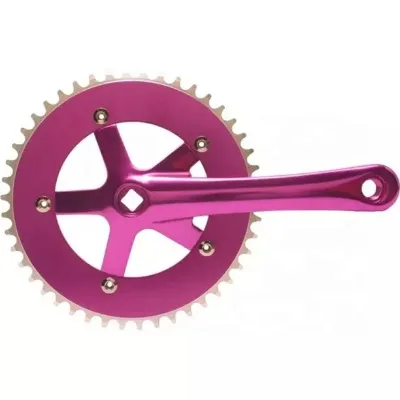


Comprehensive Sourcing Guide
Aluminum Alloy Black Bicycle Crankset Sourcing Guide
Sourcing aluminum alloy cranksets requires a disciplined approach to balancing material performance, aesthetic consistency, and commercial viability. The global market for bicycle components is highly fragmented, with suppliers ranging from specialized OEM manufacturers to generalist trading companies. Buyers must navigate a landscape where "aluminum alloy" is a broad category encompassing various temper states and machining tolerances. The visual specification of a black finish adds a layer of complexity, as surface treatment quality directly impacts corrosion resistance and long-term durability. This guide provides a structured framework for evaluating suppliers, verifying technical attributes, and mitigating procurement risks associated with this critical drivetrain component.
The following sections outline the essential verification steps for sourcing aluminum alloy black cranksets. By focusing on observable listing signals, technical specifications, and compliance documentation, buyers can establish a robust qualification process. The guidance emphasizes evidence-based decision-making, ensuring that every procurement choice is grounded in verifiable data rather than marketing claims. This approach minimizes the risk of receiving non-conforming goods and supports the development of reliable, long-term supply chains for bicycle manufacturing or aftermarket distribution.
Product Scope and Observed Listing Signals
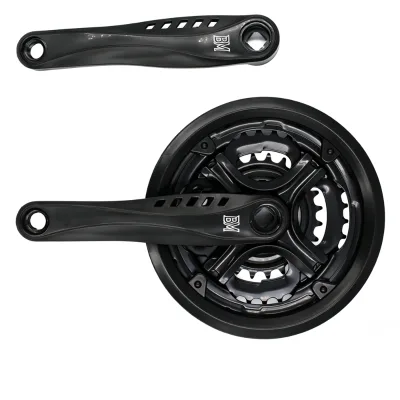
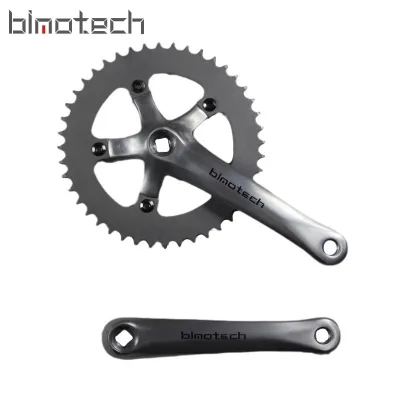
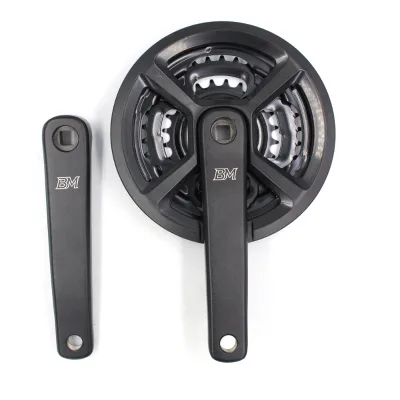
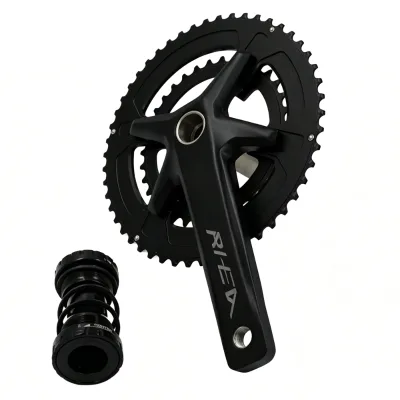
The observed market data indicates a wide variance in product configurations, with listings covering single-speed, variable speed, and multi-chainwheel setups. Buyers should note that while the core keyword specifies aluminum alloy, many observed listings also include carbon steel or mixed-material constructions. It is critical to distinguish between cranksets made entirely of aluminum alloy and those with aluminum covers or composite structures. The presence of terms like "single cover" or "double cover" suggests variations in protective layering, which may affect weight and impact resistance. Procurement teams must verify the exact material composition of the load-bearing arms and spider, as these components endure the highest mechanical stress during pedaling.
Visual and aesthetic specifications also vary significantly across suppliers. The black finish is commonly achieved through electro-deposition (ED), chromate conversion (Cp), or anodizing processes, each offering different levels of durability and color consistency. Listings often mention customization options for length, with common specifications ranging from 165mm to 175mm, and even shorter lengths for kids' bikes. Buyers should be aware that "customized" attributes may imply additional tooling costs or longer lead times. Furthermore, the observed price range of $0.65 to $25.9 USD reflects this diversity, with lower prices typically associated with steel constructions or basic finishes, while higher prices correlate with precision-machined aluminum alloy units with advanced surface treatments.
Technical Specifications to Verify
Technical verification must begin with the crank arm length and bore type, as these determine compatibility with the bicycle frame and bottom bracket. Common lengths observed include 165, 170, and 175mm, with some suppliers offering customized lengths to meet specific rider anthropometrics. The axle interface is another critical variable, with listings indicating B-Axle or D-Axle configurations. Buyers must confirm the exact spline or square taper dimensions to ensure seamless integration with existing drivetrain components. Additionally, the chainring tooth count, such as 28T, 38T, or 48T, must align with the intended gear ratio and riding application, whether for road, mountain, or ordinary bicycles.
Material grade and machining precision are paramount for aluminum alloy cranksets. Buyers should request detailed material certificates to confirm the specific aluminum alloy series, such as 6061 or 7075, and verify the heat treatment process. The weight of the crankset is a useful indicator of material density and manufacturing quality; for instance, a 170mm crankset weighing approximately 663g provides a benchmark for comparison. Surface finish quality should be assessed for uniformity, with black anodizing or ED coating requiring consistent thickness to prevent premature wear or corrosion. Buyers should also verify the BCD (Bolt Circle Diameter) of the chainring, with 130BCD being a common standard for road applications, to ensure proper chainring attachment.
Compliance and Safety Documentation
Compliance with international safety standards is non-negotiable for bicycle components, particularly those subjected to high cyclic loads. While specific certification statuses vary by supplier, buyers should prioritize vendors who adhere to ISO 4210, the international standard for bicycle safety requirements. This standard covers structural integrity, fatigue testing, and performance criteria for various bicycle types. Buyers must request test reports from accredited laboratories to verify that the cranksets have passed static load, dynamic fatigue, and impact resistance tests. These documents provide objective evidence that the product meets the necessary safety thresholds for its intended application.
In addition to safety standards, environmental and material compliance documentation is increasingly important in global procurement. Buyers should inquire about RoHS (Restriction of Hazardous Substances) compliance, particularly regarding the black finish and any adhesives or coatings used in the assembly. The use of chromate conversion (Cp) coatings may require additional verification due to environmental regulations in certain markets. Suppliers should provide Material Safety Data Sheets (MSDS) for any chemical processes involved in the manufacturing and finishing of the cranksets. Ensuring compliance with these regulations prevents legal liabilities and facilitates smoother customs clearance in destination countries.
Cost Drivers and Commercial Terms
The cost of aluminum alloy cranksets is influenced by several key factors, including material prices, machining complexity, and surface treatment quality. Aluminum alloy is more expensive than carbon steel, and the degree of CNC machining required to achieve precise tolerances adds to the production cost. The black finish, whether achieved through anodizing or electro-deposition, also contributes to the final price, with higher-quality finishes offering better durability and aesthetic appeal. Buyers should analyze the cost breakdown to understand the value proposition of each supplier, ensuring that they are not overpaying for unnecessary features or underpaying for compromised quality.
Commercial terms, such as Minimum Order Quantity (MOQ) and payment conditions, play a significant role in the overall procurement strategy. Observed MOQs range from 20 to 1000 pieces, with some suppliers offering lower MOQs for customized orders at a premium. Buyers should negotiate terms that align with their inventory management capabilities and cash flow requirements. Packaging is another consideration, with carton packaging being standard for protecting cranksets during transit. Buyers should verify the packaging specifications to ensure that the products are adequately protected against damage, which can lead to additional costs and delays.
Supplier Qualification and Quality Control
Supplier qualification is the first line of defense against procurement risks. Buyers should conduct thorough due diligence on potential suppliers, verifying their business licenses, manufacturing capabilities, and quality management systems. Suppliers with ISO certification, such as ISO 9001, demonstrate a commitment to consistent quality and process control. Buyers should also assess the supplier's production capacity and lead times to ensure they can meet demand fluctuations. Site visits or third-party audits can provide valuable insights into the supplier's operational efficiency and quality control practices.
Quality control measures must be implemented throughout the production process. Buyers should establish clear acceptance criteria for incoming goods, including visual inspections, dimensional checks, and functional tests. Random sampling and statistical process control can help identify defects early in the production cycle. Suppliers should provide pre-shipment inspection reports, detailing the results of quality checks and any corrective actions taken. Buyers should also consider implementing a supplier scorecard system to monitor performance over time, tracking metrics such as on-time delivery, defect rates, and responsiveness to issues.
Long-Term Procurement Checks
Long-term procurement success depends on continuous monitoring and relationship management. Buyers should regularly review supplier performance against established KPIs, identifying areas for improvement and addressing any recurring issues promptly. Building a collaborative relationship with suppliers can lead to better pricing, priority production, and access to new technologies. Buyers should also stay informed about market trends and technological advancements in crankset design, such as lightweight materials or improved aerodynamic profiles, to remain competitive.
Risk mitigation strategies should be integrated into the procurement process to handle potential disruptions. Diversifying the supplier base can reduce dependency on a single source and provide flexibility in case of supply chain interruptions. Buyers should also maintain a buffer stock of critical components to ensure continuity of production. Regular communication with suppliers regarding market conditions, raw material availability, and regulatory changes can help anticipate and mitigate potential risks. By adopting a proactive and strategic approach to procurement, buyers can secure a reliable supply of high-quality aluminum alloy black cranksets, supporting the long-term success of their bicycle manufacturing or distribution operations.
FAQs
What materials are used for the crankset?
The crankset is constructed from carbon steel and aluminum alloy. Some variants also include steel or plastic covers depending on the specific model and customization requirements selected by the buyer.
Which crank lengths are available for purchase?
Available crank lengths include 165, 170, and 175 millimeters. Additional cover lengths are customizable, allowing buyers to select dimensions that best fit their specific bicycle frame and riding style needs.
Can the product be customized for specific needs?
Yes, customization is available for this crankset. Buyers can specify details such as cover type, material, and chainwheel teeth configuration to match their exact requirements for ordinary, mountain, or road bikes.
What certifications does the product hold?
The product holds ISOCE certification. This indicates compliance with specific quality and safety standards, ensuring the crankset meets the necessary requirements for manufacturing and distribution in international markets.
How is the product finished and packaged?
The finish options include ED, Cp, and UCP treatments. The product is packed in cartons, and cover materials can be selected from plastic, steel, or aluminum based on the specific order configuration.
What is the minimum order quantity for this item?
The minimum order quantity is 50 pieces for specific models. Other listings indicate a range between 20 and 1000 pieces, so the exact MOQ depends on the specific model number and customization level requested.
Which bicycle types are compatible with this crankset?
This crankset is compatible with ordinary bicycles, mountain bikes, road bikes, and kids bikes. It supports both single speed and variable speed configurations, making it versatile for various cycling applications.